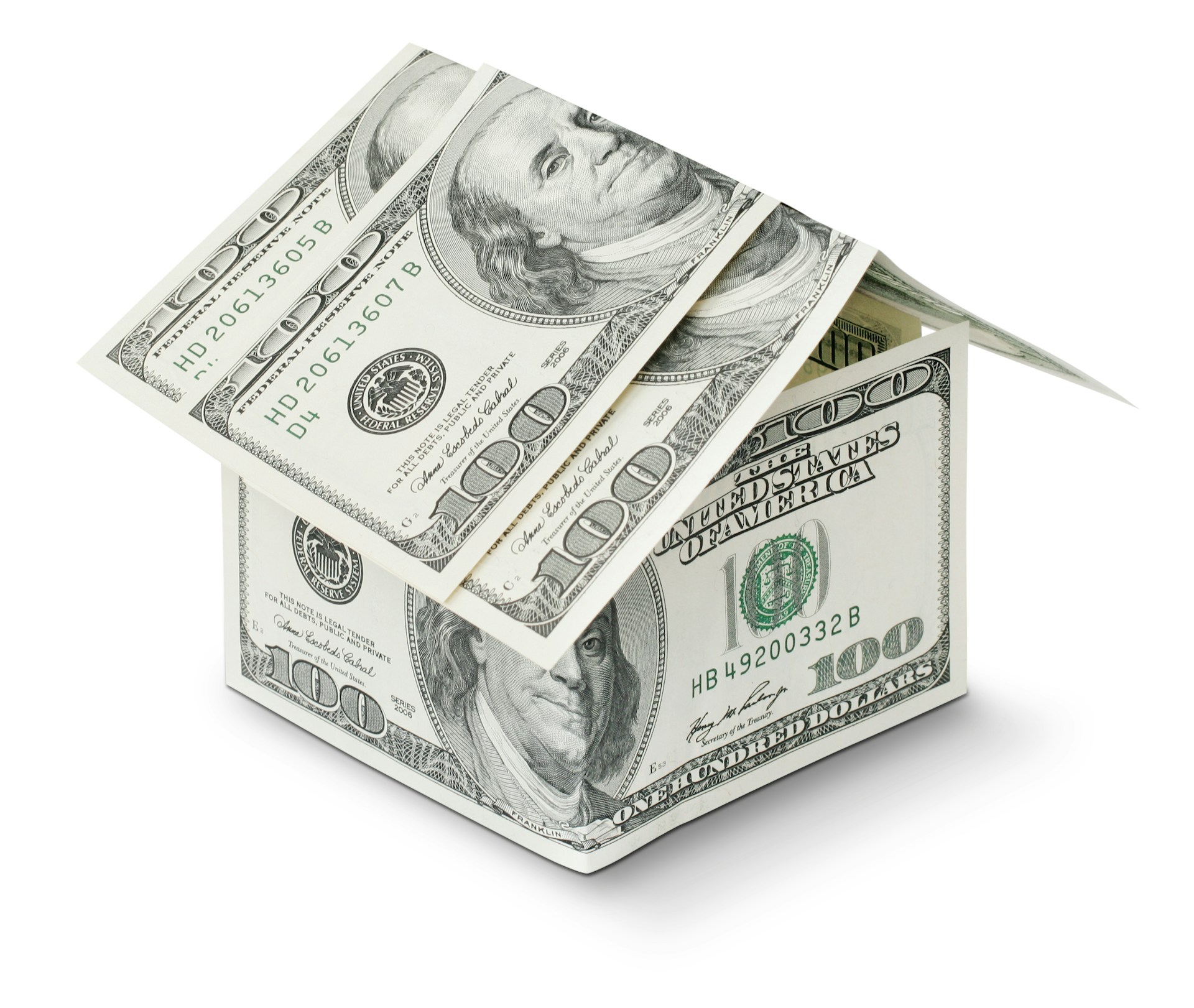
BUYING A HOME? NAVIGATING THE COSTS IN 2025
by: Remie Longbrake | published: September 22, 2025
The dream of homeownership is a powerful one, filled with images of cozy evenings, family gatherings, and the satisfaction of building equity. However, the reality often involves navigating a complex and sometimes daunting financial landscape. Before you even think about picking out paint colors, you need a clear understanding of the costs involved in buying a house in 2025. This isn’t just about the sticker price; it’s about the entire financial picture, including often-overlooked expenses that can significantly impact your budget. Let’s dive into the details, exploring the average costs and the extra expenses you should prepare for.
Average Home Costs in America, 2025.
Predicting the exact average cost of a home in America in 2025 is tricky, as real estate markets are inherently changing and influenced by numerous factors like inflation, interest rates, and regional economic conditions. However, we can make a reasonable projection based on current trends and expert predictions. Reputable sources such as Zillow, and National Associate of Home Builders suggest that the national median home price could range from $400,000 to $500,000 or more in 2025. This is, of course, a broad average, and prices will vary wildly depending on location. Coastal cities and areas with strong job markets will command significantly higher prices than more rural or economically depressed regions. For example, a home in a bustling metropolitan area like New York City or San Francisco could easily exceed $1 million, while a comparable property in a smaller town in the Midwest might cost significantly less. Remember that these figures are estimates; always conduct thorough research based on your specific target location.
Down Payment: A Substantial Initial Investment
The down payment is arguably the most significant upfront cost associated with buying a house. This is the portion of the purchase price that you pay upfront, and it directly impacts your mortgage amount and your monthly payments. While a 20% down payment is traditionally considered ideal to avoid private mortgage insurance (PMI), many lenders now offer mortgages with down payments as low as 3% or even less. However, a smaller down payment will typically mean a higher interest rate and potentially higher monthly payments. For a home costing $400,000, a 20% down payment would be $80,000, while a 3% down payment would be $12,000. This highlights the considerable difference a down payment strategy can make. Saving diligently for a larger down payment can greatly reduce your long-term financing costs.
Private Mortgage Insurance (PMI): Protecting the Lender
Private mortgage insurance protects the lender if you default on your mortgage loan. If your down payment is less than 20% of the home’s purchase price, your lender will almost certainly require PMI. The cost of PMI varies but is typically expressed as a percentage of your loan amount, usually between 0.5% and 1%. For a $320,000 mortgage (assuming a $400,000 home with a 20% down payment), you could be paying $1,600 to $3,200 annually in PMI. Once you reach 20% equity in your home (through appreciation or paying down the principal), you can usually request that the PMI be canceled.
Homeowner’s Insurance: Protecting Your Investment
Homeowner’s insurance is a necessity, not an optional expense. It protects your home and its contents from various perils, such as fire, theft, and weather damage. The cost of homeowner’s insurance depends on several factors, including the location of your home, its value, the level of coverage, and your claims history. You can expect to pay anywhere from $500 to $2,000 or more per year. It’s vital to shop around and compare quotes from different insurance providers to find the best coverage at a competitive price.
Appraisals and Inspections: Essential Due Diligence
Before you finalize your home purchase, you’ll likely need an appraisal and a home inspection. An appraisal is an independent assessment of the home’s market value, confirming that the purchase price aligns with current market conditions. Home inspections help identify potential problems with the property’s structure, systems, and appliances, giving you a chance to negotiate repairs or walk away from the deal if necessary. The costs of these services typically range from $300 to $700 each, adding up to a significant, but necessary, expense.
Emergency Fund: A Safety Net for Unexpected Repairs
Owning a home comes with the responsibility of maintaining it. Unexpected repairs, such as a leaky roof or a malfunctioning heating system, are inevitable. It’s crucial to have a substantial emergency fund readily available to cover such costs. Financial experts generally recommend having 3 to 6 months’ worth of living expenses saved, plus an additional amount specifically for home maintenance and repairs. This fund acts as a buffer against financial hardship and keeps you from having to take out high-interest loans for emergency home repairs.
Moving Costs: The Transition to Your New Home
Moving can be surprisingly expensive, encompassing packing materials, hiring movers (or renting a truck), transportation, and potential lodging expenses. These costs can range widely, depending on the distance of your move and the amount of belongings you are transporting. For local moves, you might be able to manage with a rented truck and some elbow grease, minimizing expenses. However, long-distance moves often involve significant costs. Budgeting for moving expenses is essential, as they often occur just as you’re already making other significant financial commitments.
HOA Fees: Community Living Costs
If you’re buying a home in a community with a homeowner’s association (HOA), you’ll need to factor in monthly or annual HOA fees. These fees cover the costs of maintaining common areas, such as swimming pools, landscaping, and security. HOA fees vary widely but can range from a few hundred dollars to several thousand dollars annually. Understanding these fees upfront is crucial to accurately assessing your overall housing costs.
Conclusion: A Holistic Approach to Homeownership
Buying a house is a significant financial undertaking, requiring careful planning and budgeting. While the purchase price itself is a considerable expense, it’s essential to remember the numerous additional costs involved. From down payments and mortgage insurance to closing costs, inspections, and ongoing maintenance, the financial responsibilities of homeownership are multifaceted. By carefully considering all of these factors and creating a realistic budget that accounts for both expected and unexpected expenses, you can approach homeownership with confidence and minimize the risk of financial strain. Remember that thorough research and professional guidance are invaluable in navigating the complex process of buying a home.