
HOLIDAY SPENDING GOT YOUR STRESSED? 5 STEPS TO BUDGET LIKE A PRO (Without Killing the Fun)
by: Remie Longbrake | published: December 28, 2025
Let’s be honest – if you’re reading this on Christmas Day, you might be looking at your credit card statements with a little bit of dread. Or maybe you’re already thinking about next year’s holidays and want to do things differently. Either way, you’re in the right place.
The holidays don’t have to be a financial nightmare. You can absolutely celebrate, give meaningful gifts, and create amazing memories without going broke. I’ve helped countless people figure out how to budget for the holidays without sucking all the joy out of the season.
Here’s the thing – good holiday budgeting isn’t about being cheap or saying no to everything fun. It’s about being smart with your money so you can actually enjoy the holidays instead of stressing about them.
Step 1: Figure Out What You Can Actually Afford (And Work Backwards)
This is where most people mess up. They start shopping and hope for the best, or they set some random number like “$1,000 for Christmas” without thinking about whether they actually have $1,000 to spend.
Instead, look at your real financial situation first. Check your bank account, look at your monthly expenses, and figure out what you can spend without going into debt or touching your emergency fund.
Let’s say you determine you can afford $800 total for the holidays. Now you work backwards and divide that money:
- Gifts: $500
- Food and entertaining: $150
- Travel or extra activities: $100
- Decorations: $50
This approach keeps you grounded in reality instead of fantasy. When you know your limits upfront, you can make better decisions about where to spend your money.

The best part? When January rolls around, you won’t have that sinking feeling when you open your credit card bill. You’ll actually feel good about how you handled the holidays.
Step 2: Make a Gift List (And Stick to It)
Before you set foot in a store or browse online, write down everyone you plan to buy gifts for. Everyone. Include your kids, spouse, parents, siblings, coworkers, teachers, mail carrier – whoever you typically give gifts to.
Next to each name, write down how much you want to spend on them. Be specific. Not “$20-30” but “$25.” When you have wiggle room in your budget, you’ll find ways to spend more than you planned.
Here’s why this works so well: it forces you to prioritize. Maybe you realize you’ve been spending $50 on your coworker but only $30 on your sister. Or you discover you’re buying gifts for 20 people when your budget only allows for 15.
Having a written list also prevents those “Oh, I forgot about so-and-so” moments that blow your budget. You know exactly who you’re shopping for and exactly how much to spend.
Don’t feel guilty about setting limits. Your relationships aren’t based on how much money you spend on gifts. Most people would rather you give a thoughtful, affordable gift than stress yourself out financially.
Step 3: Get Creative Instead of Going Expensive
This is where you can have fun and actually make the holidays more meaningful. Some of the best gifts don’t cost much money – they just require a little thought and effort.
Homemade gifts are having a moment, and for good reason. Baked goods, photo albums, custom playlists, or even a jar filled with “reasons why you’re awesome” notes can mean more than anything you’d buy at the mall.
Experience gifts are another great option. Instead of buying your friend another sweater, pay for a pottery class you can take together. Give your parents tickets to a local theater production. Plan a hiking trip with your siblings. These gifts create memories, which last way longer than stuff.

For families with kids, consider setting up gift exchanges or Secret Santa arrangements. Instead of every adult buying every kid a gift, draw names. The kids still get excited about presents, but the adults aren’t breaking the bank.
You can also think outside the box for decorations and entertaining. Host a cookie decorating party where everyone brings ingredients. Have a white elephant gift exchange where people bring something they already own. Plan a potluck holiday dinner instead of cooking everything yourself.
Step 4: Temporarily Cut Back on Other Spending
Here’s a simple trick that works really well: for the month of December (or whenever you do most of your holiday shopping), cut back on other non-essential spending to free up money for holiday expenses.
This might mean:
- Eating out less and cooking more meals at home
- Canceling or pausing subscription services you don’t really need
- Skipping your usual shopping trips for clothes or home stuff
- Having more “no-spend” days where you don’t buy anything except necessities
Think of it as redirecting your regular spending toward holiday priorities. You’re not actually spending more money overall – you’re just moving money from one category to another for a short time.
Some people find it helpful to have “no-spend weeks” where they challenge themselves to only buy groceries and gas. Others set up automatic transfers to move money from their entertainment budget to their holiday budget.
The key is to be intentional about it. Don’t just hope you’ll spend less – actually plan for it.
Step 5: Shop Smart and Use Every Advantage You Can
Now that you have your budget and your list, it’s time to be strategic about actually spending the money.
Start by using any tools you have available. If you have a credit card that gives you cash back or points, use it for your holiday purchases (but only if you can pay it off immediately). Check if stores offer price matching – many do, even during the holidays.

Consider shopping at small businesses that offer cash discounts. Many local stores will give you 2-4% off if you pay with cash instead of a card. On a $500 holiday budget, that’s $10-20 back in your pocket.
Don’t forget about rewards programs you might already have. If you’ve been collecting points at your favorite stores all year, the holidays are a great time to use them.
For bigger purchases, especially travel, do your research. Use comparison websites, check multiple dates if you have flexibility, and don’t assume the first price you see is the best one.
But here’s the most important part of shopping smart: stick to your list. It doesn’t matter how good a deal is if it’s for something you didn’t plan to buy. A 50% off sale on something you don’t need is still money wasted.
Making It Work for Next Year
If you’re reading this after the holidays are over, don’t beat yourself up about what you spent this year. Instead, use this as motivation to plan better for next year.
Starting in January, you can set aside a small amount each month for next year’s holidays. Even $25 a month gives you $300 to work with by December. $50 a month gets you $600. It’s so much easier to save a little bit over time than to come up with a big chunk of money all at once.
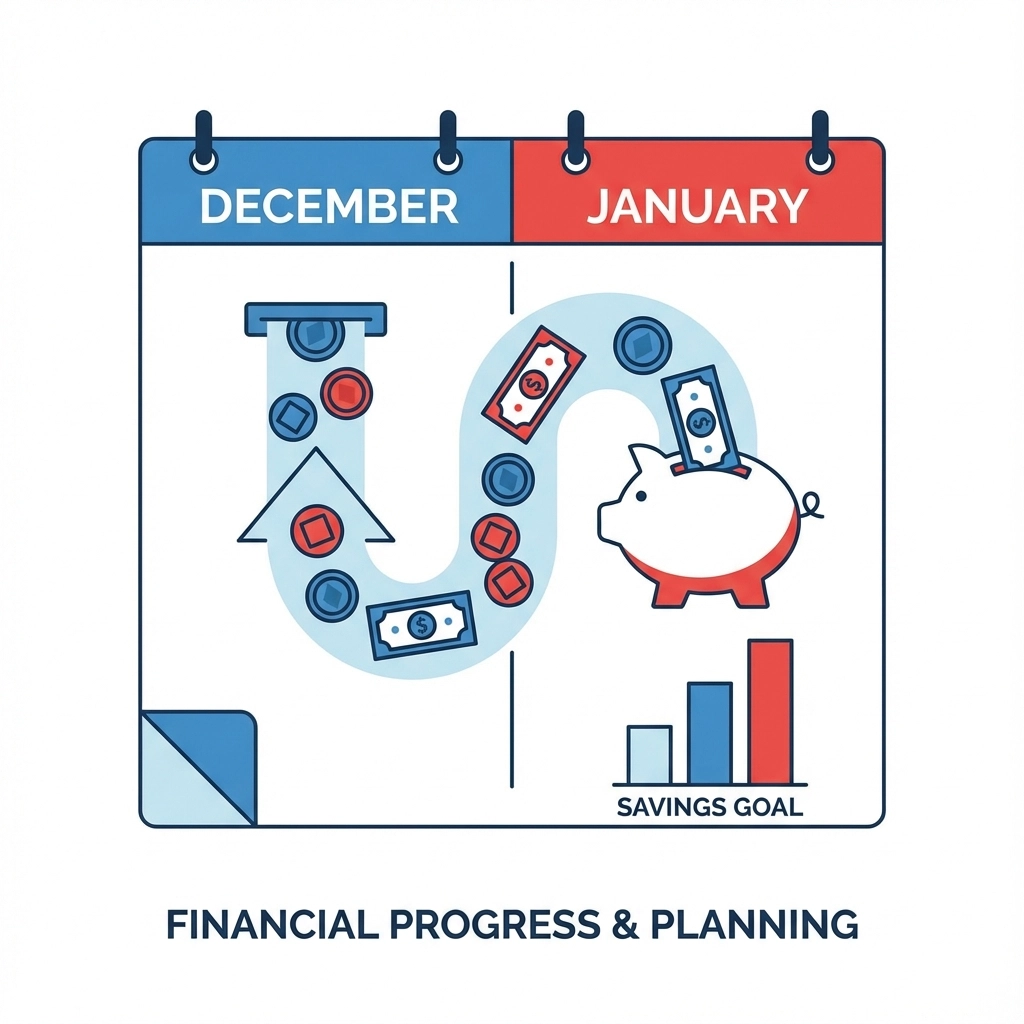
You can also start a gift list throughout the year. When someone mentions something they want or need, write it down. By the time the holidays come around, you’ll have great gift ideas instead of wandering around stores hoping for inspiration.
The Bottom Line
Holiday budgeting doesn’t have to be complicated or joyless. It’s really just about being intentional with your money so you can focus on what matters most – spending time with people you care about and creating good memories.
When you plan ahead, set realistic limits, and get creative with your gift-giving, you can have amazing holidays without the financial stress. And honestly, some of my favorite holiday memories are from years when we didn’t spend much money but put a lot of thought into making things special.
Your future self will thank you for taking control of your holiday spending. Instead of starting the new year stressed about debt, you’ll start it feeling proud of how you handled your money. That’s a pretty good gift to give yourself.
Ready to take control of your finances beyond just the holidays? Check out our coaching services to learn more about building lasting financial habits that work year-round.