
START THE NEW YEAR OFF RIGHT: SIMPLE STEPS FOR MONEY, HEALTH, AND GOALS THAT ACTUALLY STICK
by: Remie Longbrake | published: January 4, 2026
Welcome to 2026 and the start of a fresh year! January is here, and that means it’s time to get serious about setting yourself up for success. But here’s the thing – most people dive into the new year with big dreams and zero plan. Then by February, they’re back to their old habits.
Not this year. This year, we’re doing things differently. We’re going to start with simple, actionable steps that actually work. No overwhelming lists or impossible goals. Just practical moves that will make a real difference in your money, health, and overall life.
Let’s break this down into bite-sized pieces you can actually handle.
Get Your Money Right First
Before you can crush any other goals, you need to know where you stand financially. Money stress kills motivation faster than anything else, so let’s tackle this head-on.
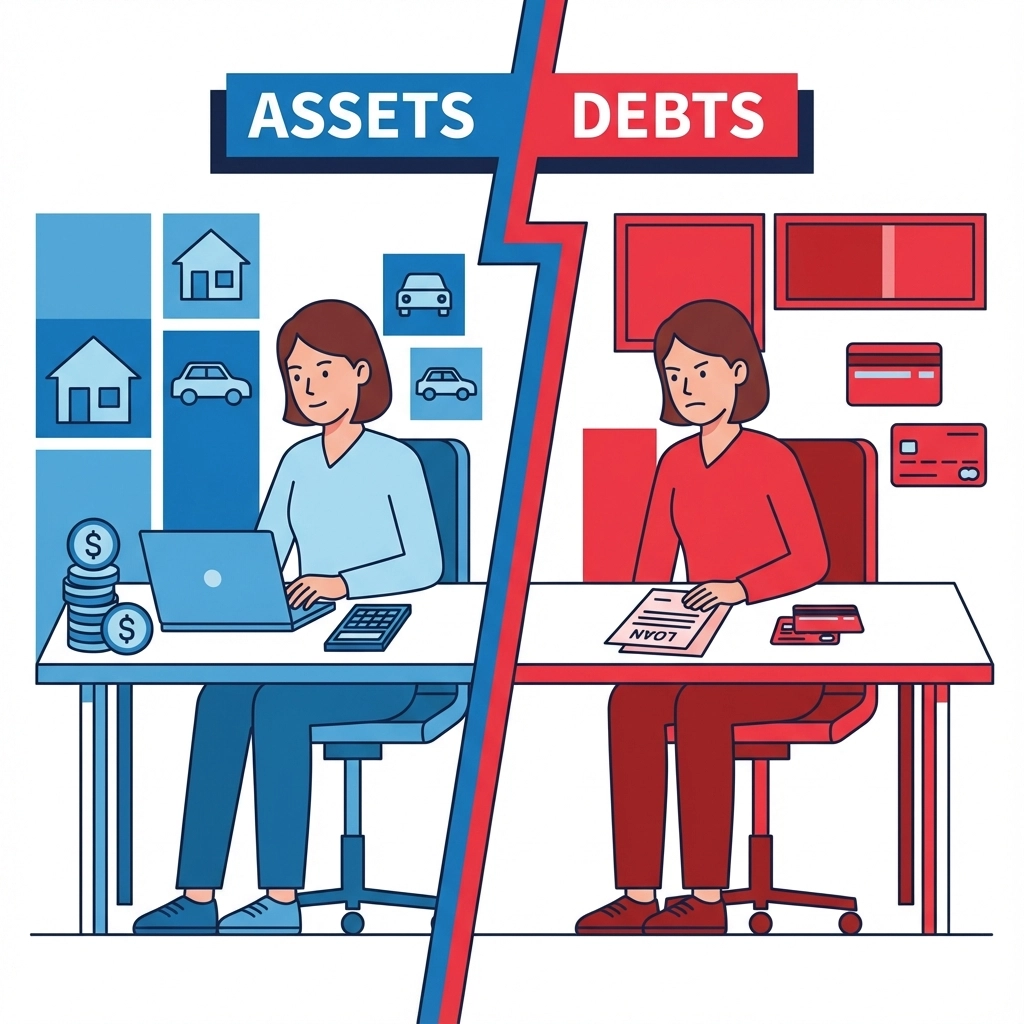
Step 1: Do a Net Worth Statement
Start by figuring out exactly what you own and what you owe. This isn’t about judgment – it’s about facts.
List everything you own:
- Bank accounts
- Investment accounts
- Your home value
- Cars
- Other valuable stuff
Then list what you owe:
- Credit card debt
- Student loans
- Car loans
- Mortgage
- Any other debts
Subtract what you owe from what you own. That’s your net worth. Don’t freak out if it’s negative – you’re just getting started.
Step 2: Build a Real Budget
A budget isn’t about restricting yourself. It’s about telling your money where to go instead of wondering where it went.
Use the 50/30/20 rule to start:
- 50% for needs (rent, groceries, utilities)
- 30% for wants (dining out, entertainment, shopping)
- 20% for savings and debt payments
Track your spending for two weeks first. You might be shocked at where your money actually goes. Those $5 coffee runs add up fast.
Step 3: Start Your Emergency Fund
Before you invest or pay extra on debt, build a small emergency fund. Start with $500. That’s enough to handle a minor car repair or unexpected bill without going into debt.
Put this money in a separate savings account. Don’t touch it unless it’s a real emergency (hint: a sale at your favorite store is not an emergency).
Once you have $500, work toward one month of expenses. Then build it to three months. This fund is your financial security blanket.
Set Goals That Actually Matter
Now that your money foundation is solid, let’s talk about goals that stick. The secret isn’t willpower – it’s strategy.
Financial Goals That Work
Pick one or two financial goals for the year. Don’t try to do everything at once.
Good financial goals:
- Pay off one specific credit card
- Save $2,000 for vacation
- Increase your emergency fund to three months of expenses
- Start investing $100 per month
- Increase your income by $5,000
Make your goals specific. Instead of “save more money,” say “save $200 every month.” Instead of “pay off debt,” say “pay off my $3,000 credit card by December.”

Health Goals That Stick
Health goals fail because people try to change everything at once. Pick one habit and master it before adding another.
Simple health goals:
- Walk 8,000 steps every day
- Drink 64 ounces of water daily
- Go to bed by 10 PM on weekdays
- Work out three times per week for 30 minutes
- Eat vegetables with two meals every day
Start with the easiest one. Once it becomes automatic (usually takes 2-3 months), add another habit.
Career Goals That Move the Needle
Career goals should focus on skills and relationships, not just titles or salary.
Effective career goals:
- Learn one new professional skill
- Attend two networking events per month
- Have monthly check-ins with your boss about your performance
- Complete a certification in your field
- Apply to five new jobs (if you’re looking to move)
The key is being proactive instead of waiting for things to happen to you.
Break It Down Into Baby Steps
Big goals are scary. Baby steps aren’t. Here’s how to turn any goal into manageable pieces.
Use the 90-Day Sprint Method
Instead of thinking about the whole year, focus on 90 days. Break your yearly goal into four quarterly goals.
Want to save $2,400 this year? That’s $600 per quarter, or $200 per month, or about $50 per week.
Want to lose 24 pounds? That’s 6 pounds per quarter, or 2 pounds per month, or half a pound per week.
Suddenly, your massive goal looks totally doable.
Create Weekly Action Steps
Each week, identify 2-3 specific actions that move you toward your quarterly goal.
For saving money, your weekly actions might be:
- Transfer $50 to savings
- Pack lunch three days instead of buying it
- Cancel one subscription you don’t use
For health goals, weekly actions might be:
- Schedule three workouts
- Prep healthy snacks for the week
- Plan two home-cooked meals
Write these actions down every Sunday. Check them off as you complete them.

How to Actually Stick to Your Goals
Knowledge isn’t the problem. Execution is. Here’s how to stay on track when motivation fades.
Track Your Progress Weekly
What gets measured gets done. Every Sunday, spend 15 minutes reviewing your progress.
Ask yourself:
- What did I accomplish this week?
- What got in my way?
- What do I need to adjust for next week?
Don’t judge yourself. Just observe and adjust.
Build Accountability
Tell someone about your goals. Better yet, find someone working on similar goals and check in with each other weekly.
You can also use apps, join online communities, or work with a coach. The point is to have someone besides yourself watching your progress.
Plan for Setbacks
You will mess up. You’ll skip workouts, overspend, or fall behind on your goals. This is normal, not failure.
When it happens, don’t throw in the towel. Just get back on track the next day. One bad day doesn’t ruin your whole year unless you let it.
Celebrate Small Wins
When you hit a weekly goal, acknowledge it. When you complete a monthly milestone, do something nice for yourself.
Celebration doesn’t have to cost money. It can be as simple as sharing your progress with a friend or taking a relaxing bath.
Your January Action Plan
Here’s exactly what to do in the first two weeks of January:
- Calculate your net worth
- Set up a basic budget using the 50/30/20 rule
- Open a separate savings account for your emergency fund
- Choose one financial goal, one health goal, and one career goal for the year
- Break each goal into quarterly milestones
- Write down your first week’s action steps
- Tell one person about your goals
That’s it. Don’t overthink it or try to be perfect. Just start.
Making This Year Different
The difference between people who achieve their goals and people who don’t isn’t talent or luck. It’s consistency and systems.
Create simple systems that support your goals. Automate what you can. Track what matters. Adjust when things aren’t working.
Most importantly, remember that progress isn’t always linear. Some weeks will be better than others. Some months will feel like breakthroughs, others like setbacks.
That’s all normal. The key is to keep showing up, even when you don’t feel like it.
Your future self is counting on the decisions you make today. Make them count.
Ready to make this your best year yet? Start with one small step today. Pick the easiest goal from your list and take action on it right now. Not tomorrow. Not next week. Today.
Your journey to a better year starts with one simple decision to begin, and begin you should. Remember, you got this! Are you ready to take control of your goals? Check out our coaching services to learn more on how Prosper Pathways can help you.
Make 2026 your best year yet!!